Live Casino UK: Counting the Table Hourly
A live table is the most transparent counter in the shop and the most expensive per hour. The contribution rules make bonus churn nearly impossible there - count the burn instead.
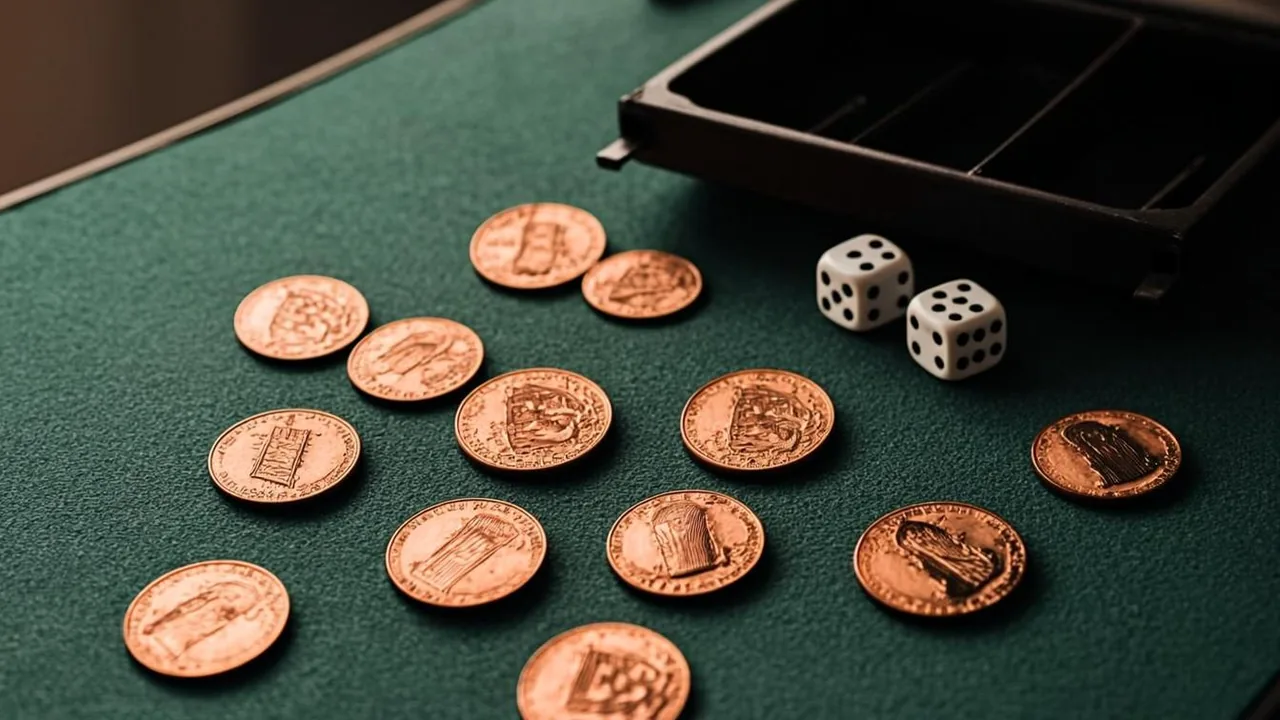
The vault count
Four operators, counted the way a cash office counts a drawer: what comes in, what the wagering churns, what the exit gates hold, and what actually comes back. The ratings are ours; the offers are quoted in the operator’s own words.
Every card carries a star rating out of 5 and its strongest numbers in the chips; the axis split unfolds under each card. Offers move often — the operator’s own page is always the current truth.

Welcome bonus €/£5,000 + 500 FS
The axis split
- MuchBetter · NETELLER · MasterCard
- Lootboxes up to €/£20,000 or 500 FS
- BGaming festival: €80,000 prize pool

Casino welcome bonus 805% up to €6,400 + 280 FS
The axis split
- MuchBetter · VISA · Apple Pay
- Crypto welcome 140% up to 1,600 USDT
- VIP pack 800% up to €14,500

Welcome pack €5,000 + 500 FS + €650 free bet
The axis split
- MasterCard · Litecoin · MuchBetter
- Code FORTUNE: wheel on €40+ deposits
- Monday boost: 40% up to €300 (BOOST1)

Welcome package 300% up to €/£1,000 + 150 FS
The axis split
- Trustly · Bitcoin · Bank transfer
- 1st deposit: 150% up to €/£500 + 100 FS
- 2nd deposit: 100% up to €/£300 + 50 FS
Cards appear in rating order. Stars are an editorial read of published figures, not a promise; nothing here is a recommendation to gamble, and the operator’s own terms decide every claim.
Counted by the hour: why live tables need a burn rate
Every other machine in the shop prices itself per press; a live table prices itself per hour, and the lobby prints neither figure. Money arrives through the cashier, sits in the balance, and leaves through the felt at a rate set by the dealer's hands. Because the pace is fixed and the stakes are visible, the hour can be counted before the chair is warm: stakes multiplied by hands, then trimmed by the house skim. That figure - the hourly burn - is the one number a live session actually costs, and it deserves a line of its own in any drawer count.
Counting the burn starts with three inputs, all printed at the table door. The stake is whatever chip size the seat demands; the pace is the dealer's, commonly fifty to seventy rounds an hour depending on the game; and the skim is the house margin on that game, a small percentage applied to everything pushed through. Multiply stake by rounds and the till turnover for the hour appears; apply the skim and the expected cost of the hour lands. Nothing here is hidden. The figures sit in plain sight, which is exactly why so few players bother to collect them.
The burn also explains why bonuses and live tables rarely mix, which is the thread this page follows. A slots drawer turns over quickly and banks the full stake toward churn; a live drawer turns over slowly and banks almost none of it. The same fifty pounds of balance therefore costs its hourly figure at the felt while moving the churn counter barely at all. Counted honestly, a bonus chased across live tables is an expensive way to stand still, and the pages that follow put figures on that standstill hour by hour.
The contribution rule: near-zero weight toward churn
Open any offshore bonus terms and find the game weights: the reels commonly bank the full hundred per cent of a stake toward churn, while the line beneath them - table games and live casino - prints zero to ten. The reason is structural, not spiteful. Live games carry thin house margins, so bonus money staked there drains slowly and predictably, and every point of weight the player claims is margin the house hands back. The weights are printed in the dullest corner of the terms, and they are the first figure to count.
Put a receipt on the rule. A £50 credit carrying 30x churn owes £1,500 of counted turnover. At a ten per cent weight only a tenth of felt staking banks, so the table itself must push £15,000 through the till to show £1,500 on the counter. At £8 a hand and sixty hands an hour that is 1,875 hands, roughly thirty-one hours of dealing. At a zero weight the same credit never moves at the felt at all, whatever the clock says. The identical £1,500 cleared on the reels at 25p a press is 6,000 presses - an evening or two rather than a month of evenings.
Zero-weight lines deserve their own read, because omission does the same work as a printed nought. Where the terms stay silent about live play, the weight is commonly nothing, and silence has cost players whole weekends of staking that moved the counter no further than the first hour. The habit worth keeping: find the live line in the weights table before accepting any credit, price the offer at whatever that line says, and treat a silent table as a zero until the operator states otherwise in writing.
Live casino uk at a glance
| Check | Where it lands at the time of writing |
|---|---|
| Entry price | £10 typical |
| Wagering | 20x on bonus |
| Payout window | 3-4 working days |
| Payments | 4 rails incl. e-wallet |
Figures above are category-typical ranges, not quotes - check the terms first, then count anything else.
Table limits: intake and exit figures at the door
Limits are the intake and exit figures posted at the door of every room, and the live floor posts the widest range in the shop. Minimums on mainstream streams commonly run from 50p to £2 a hand; VIP rooms open at £10 and climb; ceilings on flagship tables reach into four figures per hand, commonly £2,500 and upward on the biggest streams, though the exact figures move between studios and change with demand. Both ends matter: the minimum sets the smallest honest sample, the ceiling sets how fast a drawer can empty.
Ceilings are where the live floor earns its keep for big balances, and the seat that matches a four-figure drawer is usually found there rather than on the reels. A player pushing hundreds a hand needs a room built for it, which is why the ceiling figures counted for larger drawers belong in the same count as the table minimum. The minimum also collides with bonus play: a £10 table cannot host stakes governed by a £5 bonus cap, so during churn the room that fits the credit is often a low-stakes stream, not the flagship one.
Count the limits as a pair and the room selects itself. A £300 balance at a £25 minimum has twelve decisions before the drawer is empty on a cold run; the same balance at £2 a hand carries a hundred and fifty, and the extra decisions are what a session is actually made of. During churn the pair tightens further: the minimum must sit under the bonus cap, the weight must be above zero, and the pace must fit the hours left on the credit. Three figures, one chair, and any one of them can rule the room out.
Pace as a cost: hands per hour at each game
Pace is the multiplier on every other figure at the felt, and it differs more between games than any margin does. Blackjack deals roughly sixty hands an hour with a full table and a steady dealer; single-zero roulette spins about thirty-eight times an hour on the standard stream; baccarat runs quickest of the three, around seventy coup an hour because no decision waits on the player. The stake multiplied by the pace is the till turnover for the hour, and two rooms at the same stake can differ by half again on that figure.
Worked receipts make the pace legible. Blackjack at £8 a hand and sixty hands an hour pushes £480 through the till; at a margin near half a point the expected skim is about £2.40 for the hour. Baccarat at £15 a coup and seventy coup an hour turns over £1,050; at 1.06 per cent on the banker line the skim reads about £11.13. Roulette at £2 outside and thirty-eight spins turns over £76, costing roughly £2.05 at 2.7 per cent. Three hours, three drawers, three very different counts of the same evening.
Pace also decides which seat survives a bonus clock, though at the felt that question is usually academic. If a credit ever did carry usable weight at the tables, the pace sets how many hours the churn would take, and the slowest game is not the cheapest once the skim per hour is counted. The practical reading is simpler: pick the pace that matches the balance first, the margin second. A small drawer lasts longest where decisions are cheap and frequent; a large one can afford the quick rooms and their heavier hourly figures.
Dealers, not algorithms, set the pace, which is why the same game burns differently across streams and shifts. A full table deals slower than an empty one, since every hand waits on more decisions; a roulette wheel spins at the speed of the studio's schedule rather than the players'; and game-show titles run on the presenter's clock entirely. The counter's habit is to watch one full round before staking, time it, and let the stopwatch - not the lobby's estimate - set the pace line on the sheet.
| Brand | Withdrawal | Welcome offer | Wagering | Min dep. | Payments | Licence | Rating |
|---|---|---|---|---|---|---|---|
| BetGoodwin | 1–3 working days | £30–£50 in free bets (typical range) | 30x–40x by product | £5–£10 | Visa · Mastercard · Neteller · Pay by mobile | UKGC | 4.0 / 5 |
| BetVictor | 24h e-wallets, 2–5 days cards | 100% up to £/€100 + spins (typical) | 35x typical | £10 | Visa · Mastercard · PayPal · Apple Pay | UKGC | 3.6 / 5 |
| Parimatch | 1–3 working days | Matched welcome up to €/£300 (typical) | 30x typical | €20 | Visa · Mastercard · Trustly · Bank transfer | Offshore | 3.5 / 5 |
| Unibet | 24h e-wallets, 2–5 days cards | Bet £10 get £30–£40 (typical) | 40x typical | £5–£10 | Visa · Mastercard · PayPal · Apple Pay | UKGC | 3.4 / 5 |
| Bet UK | Under 24h e-wallets | Bet £10 get £30–£40 (typical) | 30x–40x by product | £10–£20 | Visa · Mastercard · Skrill · Apple Pay | UKGC | 3.0 / 5 |
| Magic Red | 2–5 working days | 100% up to €200 + spins (typical range) | 40x typical | €10–€20 | Visa · Mastercard · Trustly · Bank transfer | Offshore | 3.0 / 5 |
| Sky Vegas | Under 24h e-wallets | 100% up to £/€100 + spins (typical) | 35x typical | £10–£20 | Visa · PayPal · Paysafecard · Bank transfer | UKGC | 2.9 / 5 |
| Mystake | Under 24h on crypto | 100% up to €/£1,000 + spins (typical range) | 35x typical | €20 equivalent | USDT · BTC · ETH · TRX · Visa | Offshore | 2.8 / 5 |
| Copperenbet | 24–48h (crypto fastest) | 100% up to €/£1,000 + spins (typical range) | 35x typical | €10 equivalent | Bitcoin · Litecoin · Visa · Bank transfer | Offshore | 2.4 / 5 |
| Rolletto | 24–48h (crypto fastest) | 150% match + rakeback (typical range) | 35x typical | €10 equivalent | Bitcoin · Litecoin · Visa · Bank transfer | Offshore | 2.4 / 5 |
| Donbet | 24–48h (crypto fastest) | Matched deposit up to €/£500 + spins (typical) | 40x typical | €10 equivalent | Bitcoin · USDT · Visa · Mastercard | Offshore | 2.3 / 5 |
| Fat Pirate | 24–48h (crypto fastest) | Crypto match up to 1 BTC equivalent (typical) | 45x typical | €20 equivalent | Bitcoin · Litecoin · Visa · Bank transfer | Offshore | 2.1 / 5 |
Two rulebooks on bonus play: what each side says
Bonus play at live tables runs on two rulebooks, and the split is deliberate. The first rulebook is the promo page: banners, roulette wheels, a headline multiplier, and wording that never says the felt is excluded. The second is the bonus terms: a weights table that prints live casino at zero to ten per cent, a cap on stake size while the credit runs, expiry dates, and a forfeiture line for stakes placed above the cap. Both documents are official. Only one of them decides what the credit is actually worth.
Reading the pair in order is the whole skill. Read the promo page for what is being offered, then open the terms and find three lines: the weights row for live and table games, the maximum stake while wagering, and the list of excluded titles. Where the felt prints ten per cent and the cap sits at £5, the offer is technically playable at the tables and practically pointless, as the receipt above showed. Where it prints zero, the credit is a reels-only product regardless of the imagery. The lobbies compared on offshore books with their own referees all publish these terms; the difference between them is how far down the page the weights sit.
There is a third rulebook behind the other two, and it is the one the site-wide promise on this network insists on naming: an offshore licence is genuine but not British, so a dispute over a forfeited credit ends with the operator's own licensing regulator rather than any UK adjudicator. That is the honest price of the loose felt rulebook. Keep dated screenshots of both bonus documents before staking, because at that referee the file is the argument.
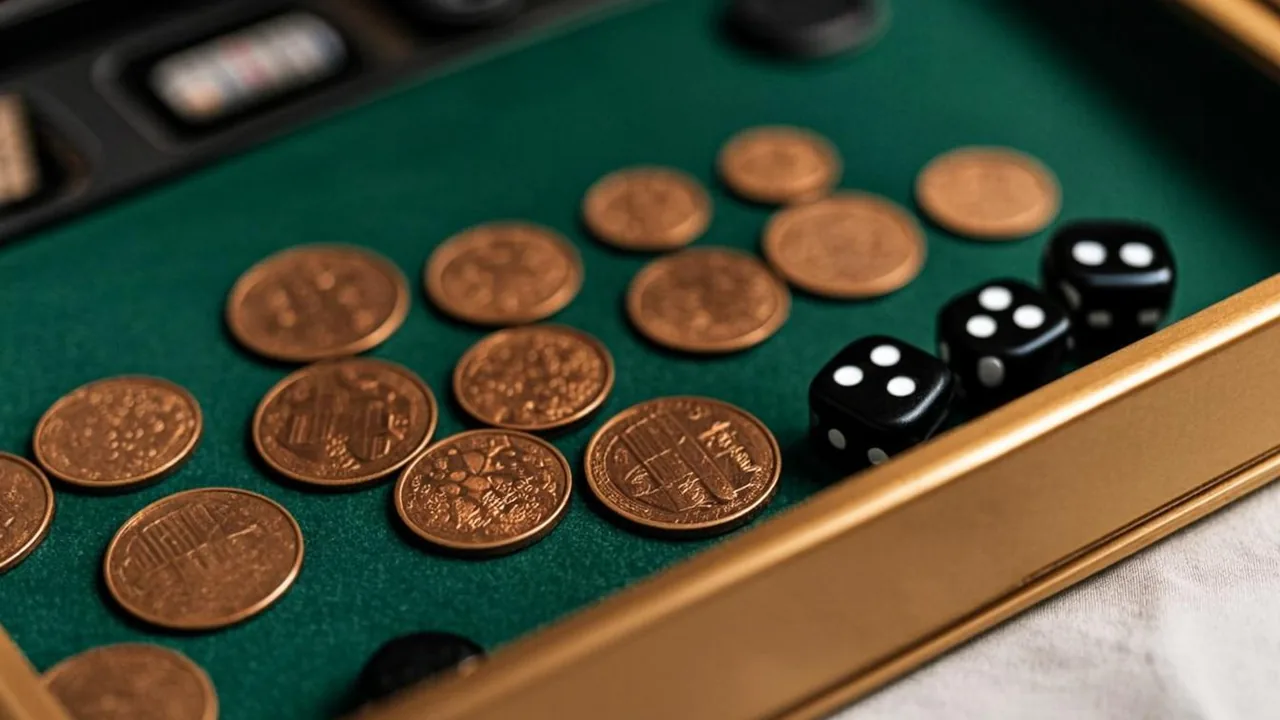
An hourly checklist before sitting at a live table
The checklist below takes two minutes at the table door and prices the hour before the chair is warm. Run it once per lobby rather than on every visit: limits and weights move rarely, pace moves with the dealer, and the figures are printed in fixed places every time. Bonus weights change only when the operator reprints them, and the ceiling changes when the studio restructures its rooms; the rest is printed once and stays. Counted in order, the six lines turn a presentation into a drawer with a known hourly cost.
Six figures to count before the first hand:
- The stake range at the seat, from the minimum chip to the ceiling, so the sample the balance can afford is known.
- The pace of the room in rounds an hour, counted from the dealer rather than the clock on the wall.
- The house margin for that game, which prices the skim on every pound pushed through the till.
- The weights line for live casino in the bonus terms, commonly zero to ten per cent, read before any credit is claimed.
- The maximum stake while a credit runs, which decides whether this room can host churn at all.
- The hour at which the credit expires, dated from the moment the match lands rather than the moment play starts.
Close the checklist with the receipt written down: stake, pace, skim, weight, cap, clock. Six figures, one line each, and the hourly burn falls out of them like arithmetic always does. A player who runs the sheet before sitting stops paying for presentation, stops staking into a churn task the felt cannot move, and starts choosing rooms by the only figure the lobby never prints - the cost of the hour.
live casino uk: line items that never reach the banner
Quiet line items never reach the banner, and on the live floor they are mostly about whose record rules. The server's log settles every round: a hand committed before a dropped connection plays out regardless of the screen, and a roulette round lands on the number the house recorded, not the one the picture suggested. Seat reallocation, bet windows shut early, and the studio's own void rules sit in the same corner of the terms, read by almost nobody and binding on everybody.
Other silent lines concern the money rather than the round. Streaming counts against some home broadband allowances, a cost charged by the telecoms provider and never by the casino. Table screens on mobile drain batteries at a rate the reels never approach, which prices a long session in charger cables. And the time cost itself - travel-free, yes, but fixed at the pace of the deal - is the quietest line of all, because an hour at the felt cannot be sped up, paused, or stacked the way machine play can. None of these lines costs anything to read, and every one of them changes what an hour is worth - the usual ratio for the lines that never reach an advertisement.
Counted together, the unlisted lines price the live drawer honestly: the hourly burn, the near-zero weight during churn, the limits at the door, the pace of the room, the two rulebooks on bonus play, and the record that rules when a stream drops. None appears in a promotion. All appear in the terms, in the lobby footer, or on the table door, and the two minutes spent collecting them is the cheapest insurance the shop sells.
Frequently asked questions
What does an hour at a live table cost?
Count stake times pace, then apply the margin. Blackjack at £8 a hand and sixty hands an hour turns over £480; at a margin near half a point the expected skim is about £2.40. Baccarat at £15 a coup over seventy coup turns over £1,050 with a skim near £11.13. The reels at 25p a press move £360 in the same hour at full weight, which is the comparison the lobby never prints.
Why don't live games count toward churn?
Because live margins are thin, operators commonly weight the felt at zero to ten per cent so bonus money cannot drain slowly through it. At ten per cent, a credit owing £1,500 of churn forces £15,000 of table staking to show the full figure; at zero it never moves. The weights line in the bonus terms, not the promo page, is the figure that decides.
What are typical table limits?
Minimums on mainstream streams commonly run from 50p to £2 a hand, with VIP rooms opening near £10. Ceilings on flagship tables reach four figures per hand - £2,500 and upward is common on the biggest streams - though figures move between studios and change with demand. The minimum sets the smallest honest sample; the ceiling sets how quickly a large drawer can be worked.
How does pace differ by game?
Considerably. Blackjack deals roughly sixty hands an hour at a full table; single-zero roulette spins about thirty-eight times an hour; baccarat runs fastest of the three at around seventy coup, because no player decision holds the game. Stake multiplied by pace is the till turnover for the hour, so the same £10 stake burns £600 at blackjack and £380 at roulette before margins are even applied.
Can bonus funds play live tables?
Sometimes, and the bonus terms decide rather than the promo page. Where the weights line prints ten per cent and the stake cap sits above the table minimum, the felt can technically host churn, though the arithmetic is brutal. Where live casino prints zero, or the table minimum exceeds the cap, the credit is a reels-only product. Read both documents before staking a penny of it.
Which game burns slowest?
Blackjack played to sound basic strategy, at the lowest stake the seat allows. The margin sits near half a point, the pace is mid-range, and decisions - the split, the double - let a careful player trim the skim further. Banker baccarat runs close behind at 1.06 per cent with no decisions to get wrong, while tie bets and game-show titles carry the heaviest skims on the floor.